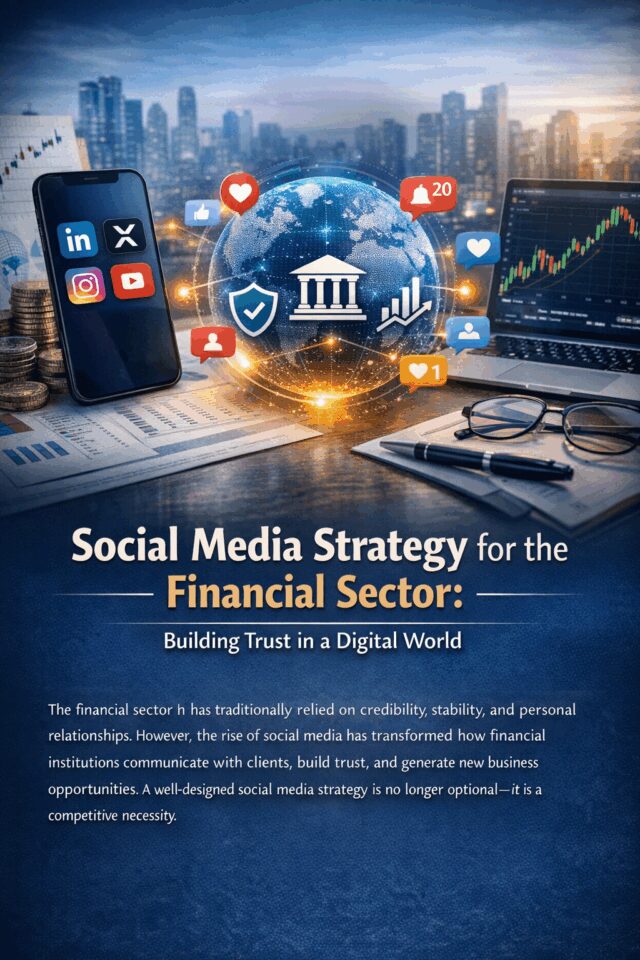

Why Marketing is Your Secret Weapon in Securing Funding
In today’s competitive investment landscape, having a groundbreaking business idea or solid financials isn’t enough. Private companies seeking investment must actively market themselves to stand out in a crowded field of opportunities. Strategic marketing has become as crucial as your business plan when it comes to attracting serious investors.
The Investment Challenge: Standing Out in a Saturated Market
Every day, investors are inundated with pitch decks, business proposals, and funding requests. Venture capitalists, angel investors, and private equity firms receive hundreds of opportunities annually, yet only invest in a fraction of them.
The harsh reality? Most companies never even get a meeting, let alone secure funding. It’s not always because their business model is flawed. Often, it’s because they haven’t effectively marketed themselves to the right investors at the right time.
Why Marketing Matters More Than Ever
Creating Visibility Before You Need It
The most successful fundraising happens long before you actually need the money. By the time you’re actively seeking investment, investors should already know who you are. Marketing builds this crucial awareness.
Companies that invest in their brand presence, thought leadership, and industry positioning create a foundation of credibility. When they do approach investors, they’re not starting from zero – they’re continuing a conversation.
Building Trust Through Consistency
Investors don’t just back businesses; they back people and teams they trust. Consistent marketing demonstrates professionalism, stability, and strategic thinking – all qualities investors seek.
A well-maintained website, active social media presence, regular industry contributions, and professional communications signal that you’re serious about your business. These elements reassure investors that their capital will be managed by competent, forward-thinking leadership.
Demonstrating Market Understanding
Effective marketing proves you understand your target market. When you can articulate your value proposition clearly, identify your ideal customer, and demonstrate traction, investors pay attention.
Your marketing materials – from your website to your LinkedIn content – showcase your ability to communicate value. If you can’t market effectively to customers, investors question whether you can build a sustainable business.
Key Marketing Strategies That Attract Investors
1. Professional Digital Presence
Your website is often an investor’s first impression. A professional, well-designed site with clear messaging about what you do, who you serve, and what makes you different is non-negotiable.
Include:
- Clear description of your business model
- Traction metrics and achievements
- Team credentials and expertise
- Press coverage and third-party validation
- Contact information for investor enquiries
2. Thought Leadership Content
Publishing insightful content positions your leadership team as industry experts. This could include:
- LinkedIn articles on industry trends
- Speaking engagements at conferences
- Contributions to trade publications
- Podcast appearances
- Webinars addressing industry challenges
Investors want to back visionaries who understand where their industry is heading.
3. PR and Media Relations
Media coverage provides powerful third-party validation. Being featured in respected publications, winning industry awards, or securing analyst recognition significantly boosts credibility.
Investors often discover opportunities through media coverage before formal introductions happen. A well-executed PR strategy can put you on their radar organically.
4. Strategic Networking and Relationship Building
Marketing isn’t just about broadcasting messages; it’s about building relationships. Attending industry events, participating in accelerator programmes, and engaging with potential investors on social media creates opportunities for warm introductions.
Cold approaches rarely work in fundraising. Marketing activities that build genuine relationships increase your chances of getting in front of the right investors through trusted referrals.
5. Data-Driven Storytelling
Investors love data, but they also respond to compelling narratives. Effective marketing combines hard metrics with emotional storytelling.
Show:
- Customer acquisition trends
- Revenue growth trajectories
- Market penetration rates
- Customer satisfaction scores
But also tell the story of why your company exists, what problem you’re solving, and the impact you’re creating. Numbers prove viability; stories create connection.
The Role of Professional Marketing Support
Many private companies lack in-house marketing expertise, particularly in the early stages. This is where specialist marketing agencies and investment introducers add significant value.
Rachel Buscall, CEO of New Capital Link, explains: “We see time and again that companies with strong fundamentals struggle to attract investment simply because they haven’t positioned themselves effectively. Marketing isn’t about spin – it’s about ensuring your genuine strengths are visible to the investors who would value them most. The companies that succeed in fundraising are those who understand that investor relations is fundamentally a marketing exercise.”
Professional support can help you:
- Craft compelling investor presentations
- Develop targeted messaging for different investor profiles
- Create marketing materials that resonate with investment criteria
- Position your company within the competitive landscape
- Build relationships with investment networks
Common Marketing Mistakes That Deter Investors
Overcomplicating Your Message
If investors can’t understand what you do within 30 seconds, you’ve lost them. Avoid jargon, focus on clarity, and articulate your value proposition simply.
Neglecting Online Presence
A dated website, inactive social media, or absence of digital footprint raises red flags. In 2026, investors expect to find professional online presence.
Inconsistent Branding
Mixed messages, inconsistent visual identity, or contradictory positioning confuses investors and suggests lack of strategic focus.
Ignoring Competitive Positioning
Failing to acknowledge competitors or clearly articulate your differentiation suggests naivety. Investors want to see you understand the competitive landscape.
Focusing Solely on Product Features
Investors care about markets, traction, and scalability – not just product specifications. Marketing should emphasise business potential, not just product capabilities.
Creating an Investor-Focused Marketing Plan
Step 1: Define Your Investment Narrative
Before approaching investors, crystallise your story:
- What problem are you solving?
- Why is your solution better than alternatives?
- What’s your addressable market size?
- What traction have you achieved?
- Why is now the right time?
- Why are you the right team?
Step 2: Identify Target Investor Profiles
Not all investors are right for your business. Research and identify:
- Investment stage focus (seed, Series A, growth, etc.)
- Sector specialisation
- Geographic preferences
- Typical investment size
- Portfolio companies and investment thesis
Step 3: Tailor Marketing Channels
Different investors consume content differently. Consider:
- LinkedIn for reaching individual investors and partners
- Industry publications for sector-specific investors
- Conference speaking for visibility among institutional investors
- Pitch competitions for early-stage investors
- Direct outreach through warm introductions
Step 4: Develop Supporting Materials
Prepare professionally designed:
- Executive summary (1-2 pages)
- Pitch deck (10-15 slides)
- Financial projections
- Market analysis
- Competitive landscape overview
- Team biographies
Step 5: Implement Consistent Outreach
Fundraising is a marathon, not a sprint. Maintain consistent marketing efforts:
- Regular content publication
- Active social media engagement
- Industry event participation
- Relationship nurturing
- Progress updates to interested parties
Measuring Marketing Effectiveness in Fundraising
Track metrics that indicate progress toward investment goals:
- Investor meeting requests generated
- Warm introductions received
- Website traffic from investor-related searches
- LinkedIn profile views from target investor firms
- Media mentions and PR value
- Speaking invitations and industry recognition
- Email open and engagement rates from investor communications
The Long-Term View: Marketing Beyond Current Fundraising
Even after securing investment, marketing remains crucial. Your ability to attract future funding rounds, strategic partners, and acquisition interest depends on maintaining strong market presence.
Companies that view marketing as an ongoing strategic function – not just a fundraising tool – build lasting value that compounds over time.
Conclusion: Marketing is Investment Readiness
In the modern investment landscape, marketing isn’t optional for private companies seeking funding. It’s a fundamental component of investment readiness.
Strong marketing doesn’t guarantee investment, but weak marketing almost certainly guarantees being overlooked. The most fundable companies aren’t necessarily those with the best products – they’re the ones that most effectively communicate their value to the right investors at the right time.
By investing in strategic marketing before you need capital, you position your company to attract investment when opportunity arises. You build credibility, demonstrate market understanding, and create the visibility that turns cold approaches into warm conversations.
Whether you’re preparing for your first funding round or planning future growth capital raises, treat marketing as seriously as you treat your financials. Your ability to articulate value, build relationships, and maintain professional presence directly impacts your capacity to secure the investment that fuels your growth.
About New Capital Link
New Capital Link specialises in connecting private companies with appropriate investment opportunities. With expertise in alternative investments and investor relations, New Capital Link helps businesses position themselves effectively for fundraising success.
For more information on how professional marketing and investor relations support can enhance your fundraising efforts, contact New Capital Link at info@newcapitallink.co.uk or visit www.newcapitallink.co.uk